
6 Silent Signs of an Unhealthy Liver and What to Do About It
Liver: The Silent Workhorse of Your Body
Did you know your liver is an organ that performs several crucial functions daily? We will talk about the Silent Signs of an Unhealthy Liver but first, Let’s understand the functions of a healthy liver.
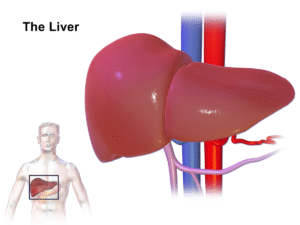
Yes! Literally your liver alone undertakes hundreds of tasks which are vital for proper functioning of the body. These include:
- Detoxifying the body
- Assimilating the nutrients from your food
- Easing the digestion of fats through bile production
- Regulating your metabolism
- Storing energy for times of need.
- Producing some proteins
- Storing some vitamins and minerals
Poor Liver Function Effects: How They Impact the Whole Body?
The aforementioned functions of the liver indicate how crucial the liver is, for the smooth functioning of multiple systems of the body. For this reason, any damage to the liver significantly impacts multiple systems and processes of the human body. And thus, signs of an unhealthy liver are not restricted to just the liver, but are rather vague and involve the whole body. Read on.
6 Crucial Early Signs of Liver damage that You Must Never Ignore and How to Manage them along with your Ongoing Treatment
Your doctor will prescribe the most appropriate remedies for the symptoms and signs of an unhealthy liver. But we are here to guide you in partnering with your doctor in your treatment through holistic management. So, here are the six hallmark signs of an underlying liver issue. To that, we have added a few lifestyle modifications that sail you smoothly through the crests and troughs of liver pathology.
Remember, these tips are not a substitute for the right treatment. They only work alongside the prescribed medication.
1. Fatigue: Persistent Low Energy and Easy Fatigue

The earliest signs of an unhealthy liver, particularly liver stress is persistent fatigue. Thus, if you are constantly tired, lethargic, and low on vitality, you must check up on your liver health. While some people complain of low physical stamina, others might experience poor concentration, and metabolic disturbances. In a number of other cases, we see a lack of interest in the things they earlier enjoyed. All this reflects an unhealthy liver.
Lifestyle Modifications to Manage Fatigue
- Aim for 7-9 hours of quality sleep.
- Stay hydrated with at least 2 litres of water every day.
- Eat small meals every 3-4 hours every day.
- Engage in a mild exercise routine for 20 minutes every day.
2. Abdominal issues: Persistent Bloating, and Frequent Diarrhoea with Changing Character of Stools
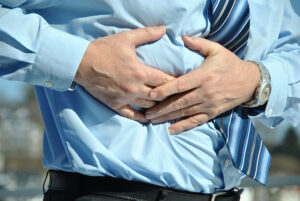
A general full-feeling even when you haven’t had much food is one of the hallmark signs of an unhealthy liver and indicate an underlying liver condition. Besides this, some other common symptoms of early liver damage are:
- Feeling bloated irrespective of whether you have had food or not
- Indigestion and nausea on and off after food.
- Partial or complete loss of appetite
- General aversion to food
Lifestyle Modifications to Manage Abdominal Issues
- Ditch the straws: Avoid cold drinks and other aerated drinks to avoid swallowing air with fluids (Aerophagia).
- The 20 Chew Rule: Take smaller bites and chew the food at least 20 times before swallowing to avoid loose stool post-meals.
- Prefer simple home-cooked food, avoiding colocasia (Arbi) and cauliflower (Gobhi) and other fermentable foods.
- Swap regular tea and coffee with green tea and herbal coffee.
3. Weight Gain/Loss with No Identifiable Cause
Unexplained weight gain, particularly in the abdominal area, reflects improper liver function. Since the liver plays a significant role in fat metabolism, a poorly functioning unhealthy liver invariably causes fat accumulation in areas like the abdomen, thighs, and buttocks and in the liver itself. This is called Fatty Liver. Frequently associated with Obesity, and other metabolic disorders, fatty liver is the root of several other problems in the body.
Lifestyle Modifications to Manage Weight Gain/ Loss
- Prefer animal proteins (Lean meat, chicken) and plant proteins (Beens, Legumes, Dals, paneer, and Tofu) over fats and Carbohydrates for your energy needs.
 The Rule of 80: For effectively losing weight, swap larger meals with small meal portions eaten frequently (80 grams of food every 80 minutes).
- Avoid skipping meals: Fasting compels the body to produce more fat and sugar to sustain its functioning (Gluconeogenesis). The fat then leads to fatty liver and weight gain.
- Engage in a basic exercise regimen apt for weight gain/loss depending on your case.
- Manage stress to keep stress hormones in check. Stress causes the body to shed weight and in some cases, it might lead to weight gain through maladaptive behaviors such as binge eating.
4. Skin changes: Generalized Itching without Rashes/Eruptions
You must have seen people complaining of vague itching. No cause of itching

can be identified in these cases. Such vague itching is often caused by alteration of the bile flow or build-up of toxins that a poorly functioning unhealthy liver cannot flush out.
Lifestyle Modifications to Manage Itchy Skin
- The 3-Minute Rule: Apply any moisturizer within 3 minutes of towel-drying your skin after a shower to lock the hydration in.
- Avoid extremely hot water showers to avoid excessive skin dryness and itching.
- Prefer gels over creams to be used on your skin.
- Prefer breathable fabrics like cotton over artificial fabrics like Nylon, and Silk.
- Use a humidifier alongside AC because air conditioners tend to dry up the air and draw out the natural moisture from your skin.
- Use a cotton cloth to rub the affected areas gently instead of scratching it.
5. Frequent Bruising with No Apparent History of Injury
If you have frequently noticed bruises and abrasions on your body but you do not particularly remember hurting yourself, it’s your liver talking!
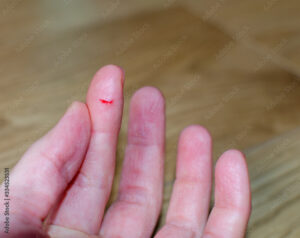
The liver helps produce proteins involved in blood clotting. Therefore, when liver function is poor, your blood fails to form clots, leading to easy and frequent bleeding after minor injuries. Now, this is something that needs urgent medical attention. This is because such bleeding can happen anywhere in the body and has serious consequences like anemia and other complications.
Lifestyle Modifications to Manage Easy Bruising
- Fortify the skin barrier with thick layers of moisturizers: Dry skin is more fragile and vulnerable to trauma. Thus, regularly moisturizing it retains its elasticity, and helps the skin deal with any injury.
- Wear protective layers like thick clothing materials and lightly padded wear.
- Prefer collagen-rich and vitamin C-rich foods which are naturally loaded with antioxidants to maintain skin health.
- Eat Vitamin K-rich foods like green leafy vegetables (Kale, Spinach, Methi, and Sarson). This is because Vitamin K enhances the body’s mechanism of efficient blood clotting.
- Apply ice-packs/ cold compress to the bruised area on the first two days after the injury to stop any internal bleeding.
- Switch to warm packs thrice daily from the third day onwardsfor healing.
6. Noticeable Swelling in the Abdomen/Legs/Feet
With liver dysfunction escalating, the body retains more and more water, leading to visible oedema on the feet followed by the legs and in the abdomen. In milder cases, only a little puffiness is seen. However, as the pathology advances, the fluid retention becomes more and more evident and requires medical aid and supervision.
Lifestyle Modifications to Manage Swelling in the Abdomen/Legs/Feet
- Elevate your legs up above the level of the heart for 30 minutes at least thrice daily.

- Avoid prolonged sitting/standing. Instead, move around to keep the fluids moving.
- Low-impact exercises: Engage in mild exercises for 10 minutes daily to enhance fluid circulation.
- Slash dietary sodium to avoid water retention in the body.
- Stay hydrated with at least 2 litres of water daily to keep the body fluids dilute and circulating efficiently.
Early signs of liver damage: Why are they Missed?
The health of the liver is important for all the vital life processes. But the signs and symptoms indicating an unhealthy liver are often missed. This is because the liver is so strong and resilient that it compensates for any kind of trauma, disease, or damage to a large extent. This is why often the early signs of liver damage are either absent on the surface, or the early signs of liver damage are extremely mild, quiet, and slow to progress.
In fact, you might think that these vague early symptoms are due to acidity and other digestive problems, fatigue and exhaustion, or at times due to mental stress.
Therefore, a large chunk of patients having an unhealthy liver and liver disorders go on with their daily lives unhindered despite the silently progressing poor liver function effects, and only show up to the doctor after significant damage has already occurred.
Is Your Liver in Trouble Too? The Causes of Liver Diseases in the Indian Scenario
With westernization creeping into the lifestyles of the Indian population, the incidence of liver-related issues is increasing by the day.
Besides alcoholic liver disease and non alcoholic liver disease, cases of Hepatitis and long-term Liver failure are increasingly being encountered by medical practitioners of allopathy, homeopathy and Ayurveda, as per statistical data.
Non-alcoholic Liver Disease
According to doctors, the most common factors responsible for non-alcoholic scarring of the liver are:
- Lifestyle disorders like obesity and Diabetes
- Sedentary lifestyle and habits
- Poor diet and Excess sugar and processed food intake
All of these factors exponentially increase liver fat accumulation.
-
Alcoholic fatty liver disease
It is caused by unrestricted alcohol consumption, which predisposes the liver to disease conditions like Alcoholic hepatitis, Liver scarring, Liver Cirrhosis, and Viral Hepatitis.
-
Long-Term Liver Failure
- Inflammatory viral conditions such as Hepatitis B and C, caused by sexual and blood-to-blood contact (respectively), are other reasons behind liver damage.
- Self-medication, excessive drug use, and frequent use of certain supplements without supervision may harm the liver over time.
Can I reverse Liver Damage?
The human body, with the help of the right medicines, has the capacity to reverse almost every liver pathology in its early stages. The need is to timely recognize the early symptoms, and rightly diagnose the underlying condition, establish the right cause and promptly address it.
However, you must do all of this quickly because once the condition progresses beyond a certain limit, reversing it becomes difficult.
How Can I Prevent Liver Damage?
While your doctor will prescribe the most appropriate remedies for unhealthy liver, we are here to guide you in partnering with your doctor in your treatment through holistic management. So here are a few lifestyle modifications that will sail you smoothly through the crests and troughs of Liver pathology alongside the prescribed medication.
Maintain Optimal BMI

Reducing excess body fat supports liver function. However, only weight management alone is not the right thing to do because weight of the human body encompasses weight of the bones which highly varies from person to person. Basal Metabolic Index is therefore seen as the right parameter to judge yourself on.
BMI = Weight (Kg)/Square of the Height (m)
-
Cut Down on Alcohol and Processed Foods

Since alcohol directly hurts liver health, moderation or abstinence significantly improves its condition. Additionally, reducing processed foods and cutting down on additional sugars can help prevent and at times reverse fatty liver disease.
-
Stay Physically Active

You can improve the overall metabolism with regular movement and exercising for at least ten minutes a day. This helps maintain your liver in complete health.
-
Eat Balanced Meals and Stock Up on Fruits

Fruits and a balanced diet keep you naturally healthy, warding off infections and enabling the body to fight for the health of its organs.
-
Get Routine Health Check-Ups
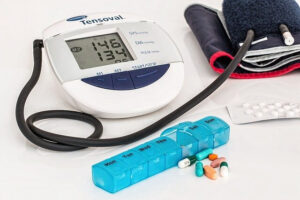
Regular screening helps detect silent liver problems early.
Summary
Liver issues are slow and silent in development. Therefore, much like other lifestyle diseases, liver damage occurs behind the curtains without showing up any significant signs and symptoms until it is too late and the pathology has advanced beyond the reparable limit.
This makes awareness, vigilance and knowledge on part of the patient more important than ever before. Besides medication, the patients must know how not to become an obstacle in their own recovery. Following holistic health principles and mindful lifestyle while on treatment is necessary for complete recovery.
Role of Homeopathy as an Add-On Thrapy in Liver Issues

Homeopathy and other natural ways of treatment can support the ongoing treatments in the most gentle and harmless way and may be considered as add-on supportive therapies.